Source Oil and Gas Drilling Non Coring Steel Bits for Mining
Find 30 oil and gas drilling non coring steel bits from Chinese manufacturers. Compare specifications like 59mm and 113mm models, materials including carbon and stainless steel, and certifications such as ISO 9001 for well drilling and geological exploration applications; compare the available evidence and request quotations based on your requirements.
Key considerations
Products List


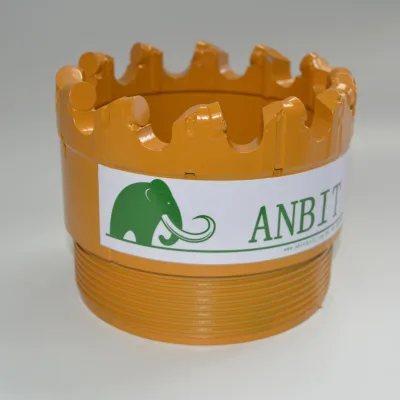


Comprehensive Sourcing Guide
Oil and Gas Drilling Non Coring Steel Bits Sourcing Guide
Procurement professionals must first distinguish between general drilling tools and specialized non-coring steel bits designed for specific formation types. The observed market data indicates a diverse range of models, including Tricone Drill Bits and specific model numbers like 59mm or 113#, which serve distinct operational needs in energy and mining sectors. Buyers should verify that the listed product attributes align with their specific well drilling requirements, as the application scope varies significantly between geological exploration and coal mining operations.
When evaluating listings, it is critical to note that product attributes such as color, seal type, and bearing types are often customizable or vary by batch. The observed listings show options for rubber or metal seals and journal or roller bearings, which directly impact performance under different pressure conditions. Sourcing teams must confirm that the specific configuration, such as the taper-length or standard dimensions, matches the rig specifications to avoid compatibility issues during the drilling process.
Product Scope and Observed Listing Signals
The current market signals reveal a wide price range from zero to 19,500 USD, reflecting the variance in material quality, manufacturing complexity, and order volume. Buyers should interpret these figures as indicative of the total cost of ownership rather than a fixed unit price, as the minimum order quantity (MOQ) can range from a single piece to 1,000 units. Understanding this spectrum helps in budgeting for both immediate replacement needs and long-term inventory stocking strategies for drilling operations.
Listing observations also highlight that products are often marketed as new or customized solutions, with some explicitly labeled as new products from 2022. This suggests a dynamic market where suppliers frequently update their catalogs to include wear-resistant features or improved manufacturing processes like forging and casting. Procurement teams should scrutinize the "Marketing Type" and "Advantage" fields to ensure the advertised benefits, such as wear resistance, are substantiated by the specific material composition, such as carbon steel or stainless steel.
Technical Specifications to Verify
Technical verification begins with confirming the physical dimensions and model numbers against the rig's operational requirements. The data shows specific model identifiers like 59mm, 113#, and size ranges from 3 3/4" to 26", which are critical for ensuring the bit fits the drill string correctly. Buyers must cross-reference these specifications with their existing equipment manuals to prevent mechanical failures or inefficient drilling performance caused by dimensional mismatches.
Material composition and manufacturing processes are equally vital for determining the durability and lifespan of the drilling bits. The observed listings indicate the use of carbon steel and stainless steel, produced through forging or casting processes, which influence the bit's ability to withstand high stress. Additionally, the operation pressure is noted as atmospheric in some contexts, requiring buyers to verify if the specific bit is rated for the actual downhole pressure conditions of their intended well drilling or geological exploration projects.
Compliance and Safety Documentation
Compliance verification requires checking for recognized quality management certifications that validate the supplier's manufacturing consistency. The provided data includes ISO 9001 certifications, which serve as a baseline indicator that the supplier adheres to international quality standards for their production lines. Buyers should request current certification documents to ensure that the specific batch of bits being purchased was manufactured under these controlled conditions, reducing the risk of quality defects.
Safety and operational documentation must also address the specific standards and testing protocols applied to the drilling tools. While some listings mention standard compliance like AISI or CDDA DCDMA, these references often require further clarification regarding their applicability to the specific drilling environment. Procurement teams should demand detailed test reports or video outgoing-inspection records to confirm that the bits meet the necessary safety thresholds for use in energy and mining industries.
Cost Drivers and Commercial Terms
Cost structures for these drilling bits are heavily influenced by the customization level and the complexity of the manufacturing process. Customized options, such as specific colors or tailored dimensions, often incur higher unit costs compared to standard configurations. Buyers should analyze whether the added expense of customization provides a tangible operational advantage, such as improved wear resistance or better seal performance, before committing to a specialized order.
Commercial terms, including minimum order quantities and packaging requirements, significantly impact the total procurement cost and logistics planning. The observed MOQs vary from one piece to ten pieces, allowing for flexible purchasing strategies, while packaging options range from standard export packing to wooden cases or boxes. Sourcing managers must calculate the total landed cost, factoring in the weight of the items, which can range from 3.4 kg to 19 kg, to optimize shipping expenses and storage requirements.
Supplier Qualification and Quality Control
Supplier qualification should prioritize manufacturers with documented origins in key industrial hubs like Changsha, Hebei, or Hunan, China, where specialized drilling tool production is concentrated. These locations often host suppliers with established expertise in forging and casting processes, which are critical for producing high-performance steel bits. Buyers should verify the supplier's production capacity and history to ensure they can consistently deliver the required volume and quality without compromising on lead times.
Quality control measures must be rigorously enforced through pre-shipment inspections and adherence to defined manufacturing processes. The availability of video outgoing-inspection services provides a valuable tool for buyers to visually verify the condition and finish of the bits before they leave the factory. Additionally, confirming that the products are in "New" condition and meet the specified standards ensures that the delivered items will perform reliably in demanding drilling applications.
Long-Term Procurement Checks
Establishing a long-term procurement strategy involves monitoring the consistency of product specifications and performance over multiple orders. Buyers should track whether the observed attributes, such as bearing types and seal materials, remain consistent across different batches to ensure predictable drilling performance. Regular audits of the supplier's ability to maintain these specifications will help mitigate risks associated with supply chain variability and product degradation.
Continuous evaluation of supplier responsiveness and support capabilities is essential for maintaining operational efficiency in the energy and mining sectors. Suppliers who offer customization and provide detailed technical support can be valuable partners in optimizing drilling operations over time. Procurement teams should maintain open communication channels to address any emerging issues quickly, ensuring that the supply of non-coring steel bits remains uninterrupted and aligned with evolving project requirements.
FAQs
What materials are used for oil and gas drilling non coring steel bits?
These bits are primarily manufactured from carbon steel and stainless steel to ensure durability and resistance to wear during drilling operations. The choice of material depends on the specific geological conditions and the required hardness of the formation being drilled. Manufacturers often use forging processes to enhance the structural integrity of the steel components before final assembly and surface treatment.
Can these drill bits be customized for specific well drilling applications?
Yes, customization is available for oil and gas drilling non coring steel bits to meet unique operational requirements. Buyers can specify custom colors, seal types such as rubber or metal seals, and bearing types like journal or roller bearings. This flexibility allows for tailored performance in various drilling environments, ensuring optimal efficiency and longevity for specialized mining or geological exploration tasks.
What certifications do these steel bits typically carry?
These steel bits typically carry ISO 9001 certification, indicating adherence to international quality management standards in their manufacturing process. This certification ensures that the production, from forging to final inspection, meets rigorous quality controls. Buyers can rely on this standard for consistent product quality and reliability, which is crucial for maintaining safety and efficiency in demanding oil and gas drilling operations.
How are these drill bits packaged for shipping?
These drill bits are packaged in sturdy wooden cases, wooden boxes, or standard export cartons to protect them during transit. The packaging is designed to prevent damage and ensure the bits arrive in new condition. This secure packaging method is essential for maintaining the integrity of the precision-engineered components, especially when shipping heavy industrial tools across international borders to various global destinations.
What is the typical MOQ for ordering these steel bits?
The typical minimum order quantity for these steel bits ranges from 1 piece to 1000 pieces, depending on the supplier and specific model. Some suppliers offer a low MOQ of just 10 pieces or even a single unit for testing purposes. This flexibility allows buyers to start with smaller orders to evaluate performance before committing to larger bulk purchases for extensive drilling projects.
Which industries primarily use these non coring steel bits?
These non coring steel bits are primarily used in the energy and mining industries, including well drilling and coal mining applications. They are also suitable for geological exploration and metal drilling tasks. The versatile design allows them to handle various drilling conditions, making them essential tools for extracting resources and conducting subsurface investigations in diverse industrial sectors worldwide.